
During the meat curing process, vacuum meat tumblers come into direct contact with meat, curing brine, and other materials. Therefore, the thoroughness of equipment cleaning, the stability of the vacuum system, and the proper functioning of the drum and sealing components all directly impact subsequent production. For food processing companies that use vacuum meat tumblers, establishing standardized cleaning and maintenance procedures not only helps maintain equipment hygiene but also reduces downtime caused by material buildup, poor sealing, or component wear.
Why Does a Vacuum Meat Tumbler Require Thorough Cleaning?
During vacuum meat tumbler operation, meat and brine tumble, collide, and are kneaded inside the drum, causing material to adhere to the drum walls, feed inlet, discharge area, and sealing points. LONKIA's industrial vacuum tumblers are manufactured from food-grade stainless steel and feature removable components designed for easy daily cleaning and maintenance.
Which Areas Require Thorough Cleaning?
After each production batch, pay special attention to the following:
- The inner walls of the drum and areas in contact with the product
- The feed inlet and discharge outlet
- Sealing rings and sealing contact surfaces
- Connection points where brine tends to accumulate
- Pipes and connectors linked to the vacuum system
- Removable parts that come into contact with the product
For dried-on meat particles or brine, do not let them accumulate over time; clean them promptly after production ends.
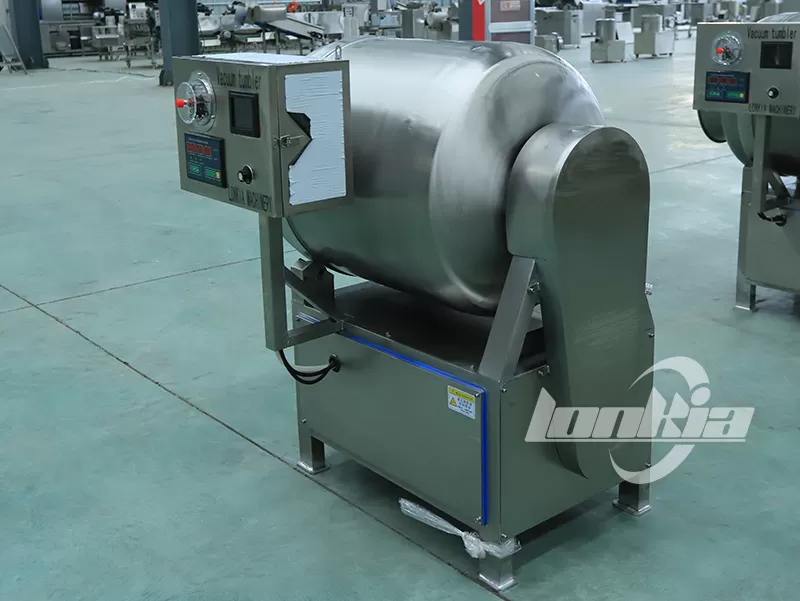
Proper Cleaning Procedure for Industrial Vacuum Tumblers
1. Drain the Drum Promptly After Production
First, completely remove all meat and residual brine from the drum before proceeding with cleaning. Before cleaning, stop operation in accordance with the marinade tumbler machine's operating instructions and ensure the equipment is in a safe condition.
2. Clean the Drum and Material-Contact Components
Remove any detachable parts according to the vacuum meat tumbler's design and thoroughly clean the interior of the drum and all food-contact surfaces. Pay special attention to corners, joints, and areas prone to material buildup.
3. Inspect Sealing Areas
Do not overlook the O-rings during cleaning. Meat scraps, brine residue, or contaminants on the surface of the seals can all compromise the equipment's sealing performance. After cleaning, inspect the O-rings for cracks, deformation, or obvious wear.
How Should the Vacuum System Be Maintained on a Daily Basis?
The vacuum system is a critical component of the vacuum meat tumbler. During operation, the industrial vacuum tumbler creates a low-pressure environment by extracting air from inside the drum; the maximum vacuum level for the equipment listed on the product page can reach -0.09 MPa.
If you notice that the actual vacuum extraction time has significantly increased, or if the vacuum level is difficult to achieve, follow these steps to troubleshoot:
- Inspect the piping and connections: First, check whether the vacuum lines are securely connected and look for any looseness, damage, or obvious leaks.
- Inspect the O-rings: If the O-rings are aged or not installed properly, the vacuum may be unstable even if the vacuum pump is functioning normally.
- Check the vacuum pump status: If no obvious abnormalities are found in the piping or sealing areas, proceed to inspect the vacuum pump and related components. If any abnormalities are detected, have the equipment inspected and repaired by a professional; do not continue to operate the equipment.
What Should Be Checked Regarding the Drum and Drive System?
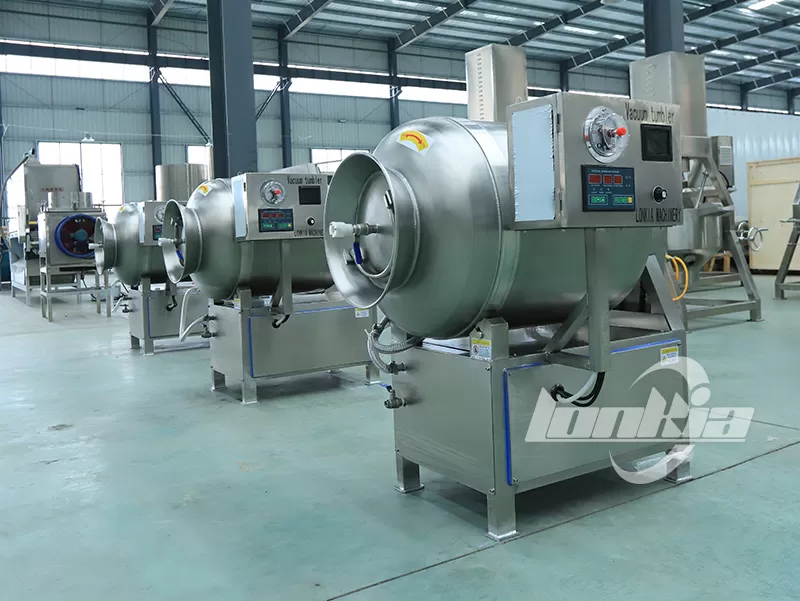
The drum of a vacuum tumbler must rotate continuously. The tumbling speed of the equipment can typically be adjusted according to process requirements, with a speed range of 0–15 RPM.
During routine inspections, pay attention to whether the drum operates smoothly and check for abnormal noises, noticeable vibrations, or intermittent rotation. Also, inspect the drive-related components for abnormal wear.
If the operating noise or vibration of the vacuum meat tumbler differs significantly from normal production conditions, shut down the machine promptly for inspection to prevent minor malfunctions from further affecting the drive system.
Proper Maintenance Helps Ensure Stable Production
Maintaining a vacuum meat tumbler involves more than simply "washing the machine." For food processing companies, it is even more important to pay attention to hygiene, vacuum performance, drum operation, and seal integrity. LONKIA vacuum tumblers feature automated controls and a modular design that facilitates daily cleaning and maintenance.
If a company is planning to purchase a vacuum meat tumbler, in addition to considering the batch processing capacity, it should also confirm in advance the drum capacity, vacuum level, tumbling speed, cleaning method, and maintenance requirements for wear-prone parts. Selecting equipment that matches the actual product, output, and production process is essential to better meet long-term processing needs.