
With the development of the frozen food, central kitchen, and meat processing industries, the market has set higher standards for the consistency, production efficiency, and food safety of meatball products. However, many companies still face issues such as inconsistent product quality, high labor costs, and low production efficiency in their actual production processes. Choosing the right meatball maker machine not only increases production capacity but, more importantly, helps companies solve key production challenges.
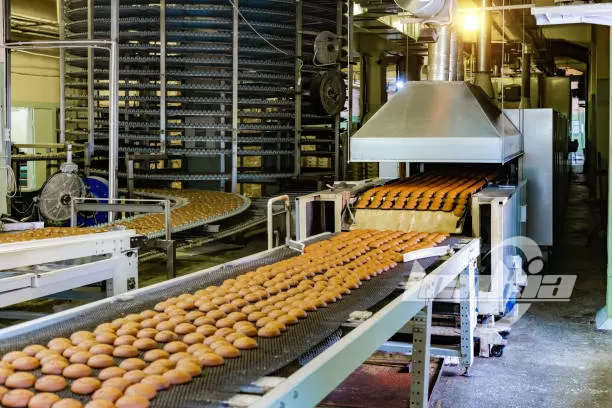
Inconsistent Meatball Size Affects Product Standardization
In traditional production processes, meatball size and weight are often controlled manually. Differences in experience among operators can easily lead to inconsistent product specifications, affecting packaging, sales, and the customer experience.
Modern meatball processing equipment utilizes precise dosing and forming systems to consistently produce meatballs with uniform weight and diameter. Whether fish balls, beef meatballs, or pork meatballs, these machines ensure stable specifications, thereby enhancing product standardization and brand image. Automated metered forming is also one of the primary methods currently used by food factories to improve product consistency.
Poor Meatball Forming Affects Appearance Quality
Many companies encounter issues such as rough surfaces, irregular shapes, or meatballs that easily deform after forming. This not only affects the product's visual appeal but may also complicate subsequent packaging and freezing processes.
High-quality meatball processing equipment optimizes the conveyor structure and forming mechanism to ensure the meat mixture enters the forming system uniformly. The equipment maintains stable pressure throughout operation, resulting in meatballs that are round, plump, and uniform in size—making them ideal for large-scale production and automated packaging.
Low Production Efficiency Makes It Difficult to Meet Order Demand
Manual meatball rolling or semi-automated production methods typically have limited efficiency. When orders increase, companies often need to hire a large number of additional workers, leading to a rapid rise in production costs.
Automated meatball production lines enable continuous production, creating a seamless flow from meat mixing, grinding, and forming through to subsequent cooking processes. The equipment operates continuously and stably, significantly increasing output per unit of time and reducing the impact of human factors on the production pace. Automated equipment has become a vital tool for many food companies looking to expand their production capacity.
Inconsistent Product Texture and Mouthfeel
Meatball quality depends not only on the recipe but is also closely tied to the processing method. Uneven mixing of ingredients, inadequate grinding, or unstable process control can all affect the final product's texture and structure.
Specialized meatball processing equipment ensures uniform mixing and stable conveying, maintaining a consistent meat mixture consistency. Properly controlling key parameters during production, it helps improve the stability of the product's mouthfeel, reduces batch-to-batch variations, and makes it easier for companies to receive consistent market feedback.
Equipment Failures Lead to Increased Downtime
Equipment wear, component blockages, or untimely maintenance during production can easily cause downtime and order delays. For food processing companies, production continuity is directly linked to delivery capabilities.
High-quality meatball maker machine typically features a food-grade stainless steel structure, with key components designed for easy disassembly and cleaning. Proper maintenance can effectively reduce failure rates, improve equipment operational stability, and minimize unplanned downtime.
Choosing Reliable Equipment Is a Key Step Toward Enhancing Competitiveness
For companies seeking to improve product quality and production efficiency, solving production challenges relies not only on experience but also on stable and reliable equipment. Lonkia's meatball maker machines utilize food-grade materials and automated forming technology to help businesses achieve stable production, consistent quality, and higher operational efficiency.
As market demand for standardized meat products continues to grow, automated meatball processing equipment is becoming a key choice for an increasing number of food manufacturers seeking to enhance their competitiveness. For companies planning to expand production capacity or optimize production processes, investing in professional meatball processing equipment will provide a more solid foundation for future growth.